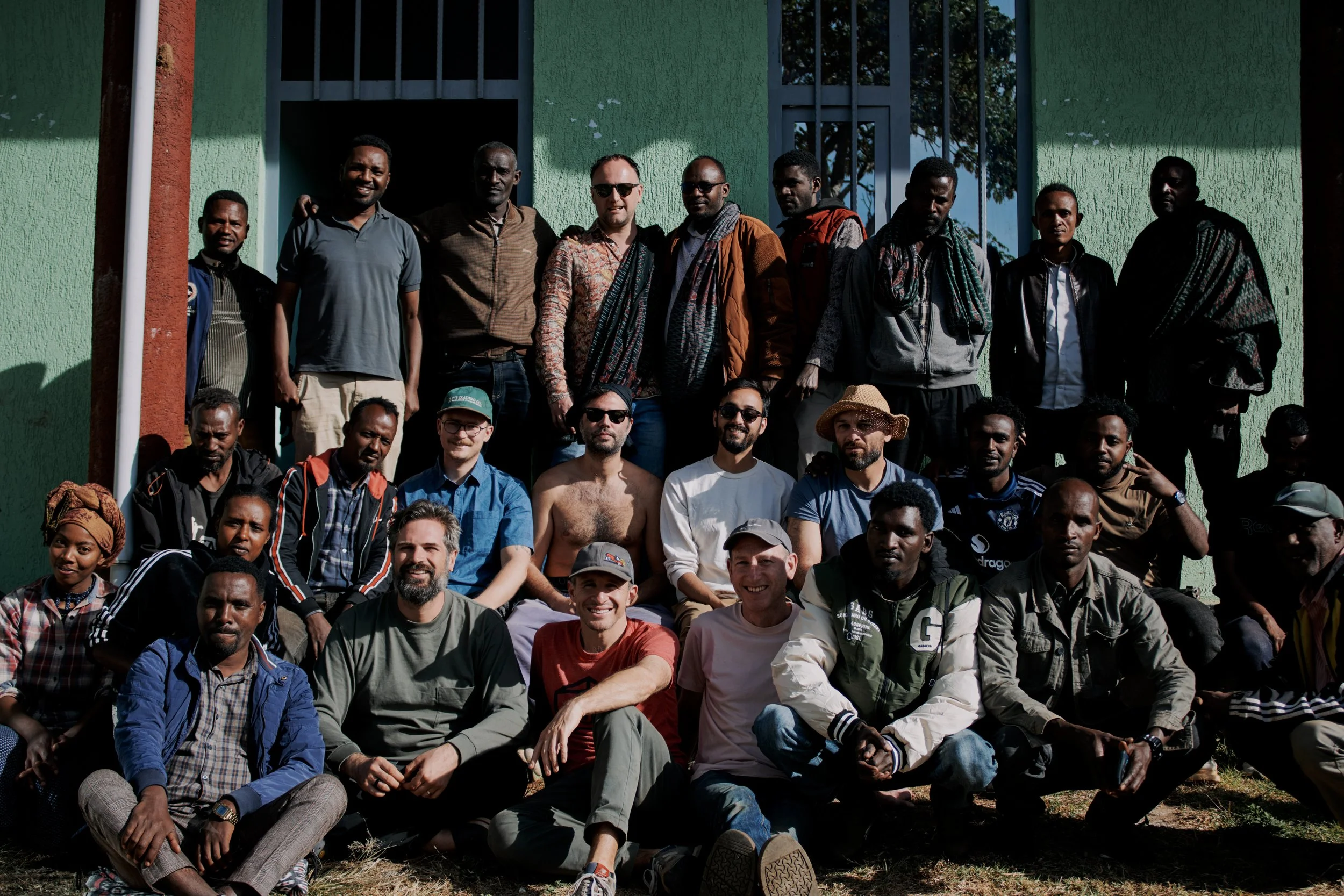
Ethiopia January 2025
In January, Boxcar traveled to Ethiopia alongside our importing partners at The Coffee Quest. Over the course of 10 days in coffee’s birthplace, we explored the regions of Sidama, Yirgacheffe, and Guji, visiting 12 stations and several farms along the way. As we eagerly anticipate the exceptional 2025 Ethiopia season at Boxcar, we’re excited to share this trip report from our Green Buyer and Head Roaster, Jon McCann.
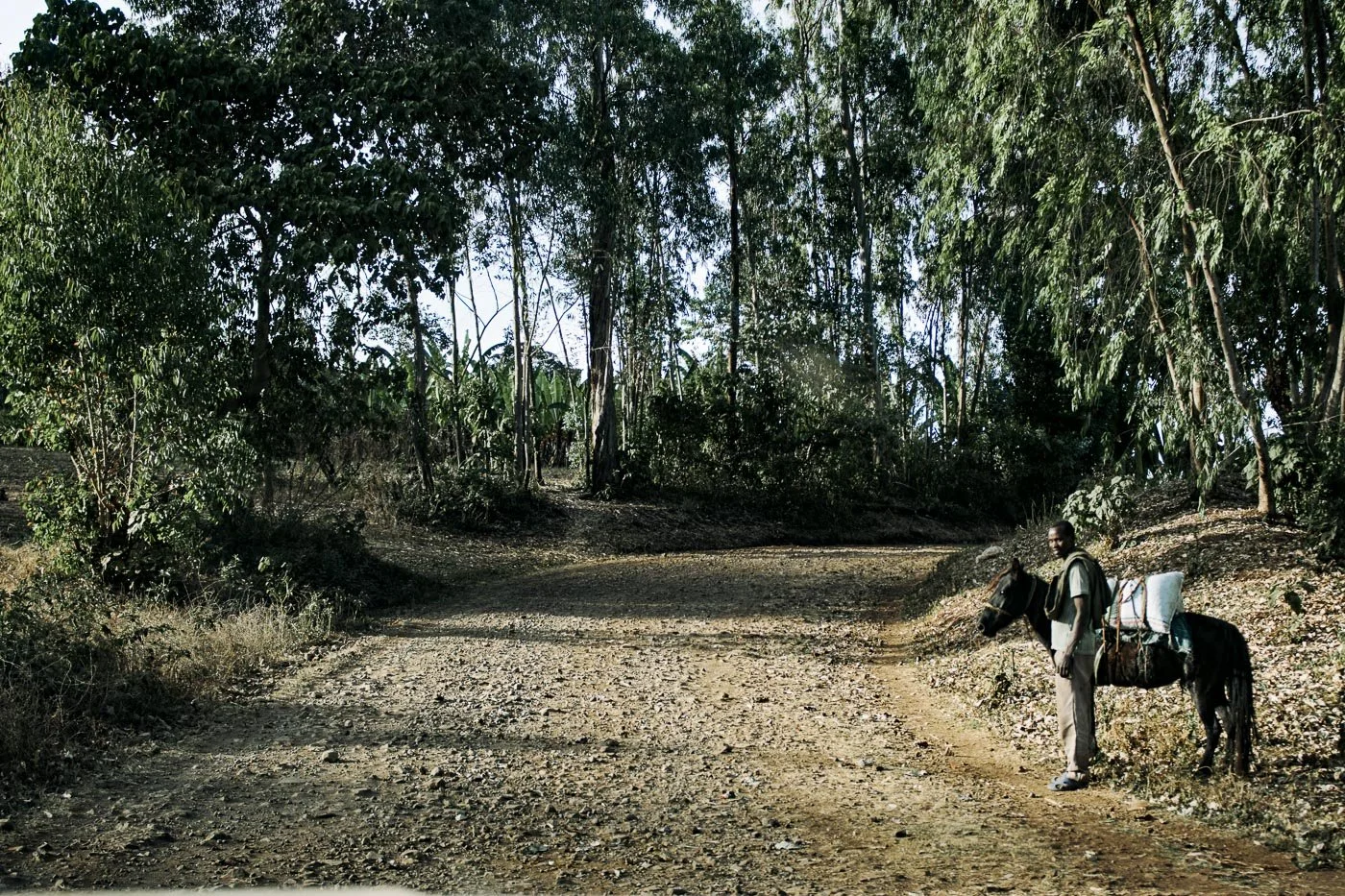
Coffee is native to Ethiopia, where legend tells of a goat herder who noticed his goats behaving unusually after eating the caffeinated coffee cherries. This discovery set coffee on a journey that would spread across the equatorial regions of the world, a region now known as the “coffee belt.”
Being in coffee’s birthplace was truly inspiring. I had the privilege of witnessing firsthand the immense effort behind its journey all the way to Boulder. What stood out was the dedication to low-intervention, traditional farming methods that thrive in the unique environment of Ethiopia. Here, coffee grows naturally in the forests, nestled among native plants and shaded by towering trees. In this environment, coffee cultivation is almost inherently organic—many farmers wouldn't have access to fertilizers or pesticides, even if they wanted to use them.
After arriving in Addis Ababa, we made a quick stop at Daye Bensa’s new dry mill before hopping on a flight to Hawassa for the night. The next morning, we drove four hours to Shantawene and then to Gatta Farm, our home base in Sidama. Gatta is a coffee farm and station owned by Daye Bensa, one of Ethiopia’s largest exporters and a multi-year Cup of Excellence winner. Gatta produces 100% naturally processed coffee, including anaerobic and experimental methods that are also applied at Daye Bensa’s other stations. Anaerobic coffees, known for their oxygen-free fermentations and vibrant fruit flavors with a creamy body, have gained popularity across Ethiopia in recent years. Nearly every station we visited on this trip featured them.
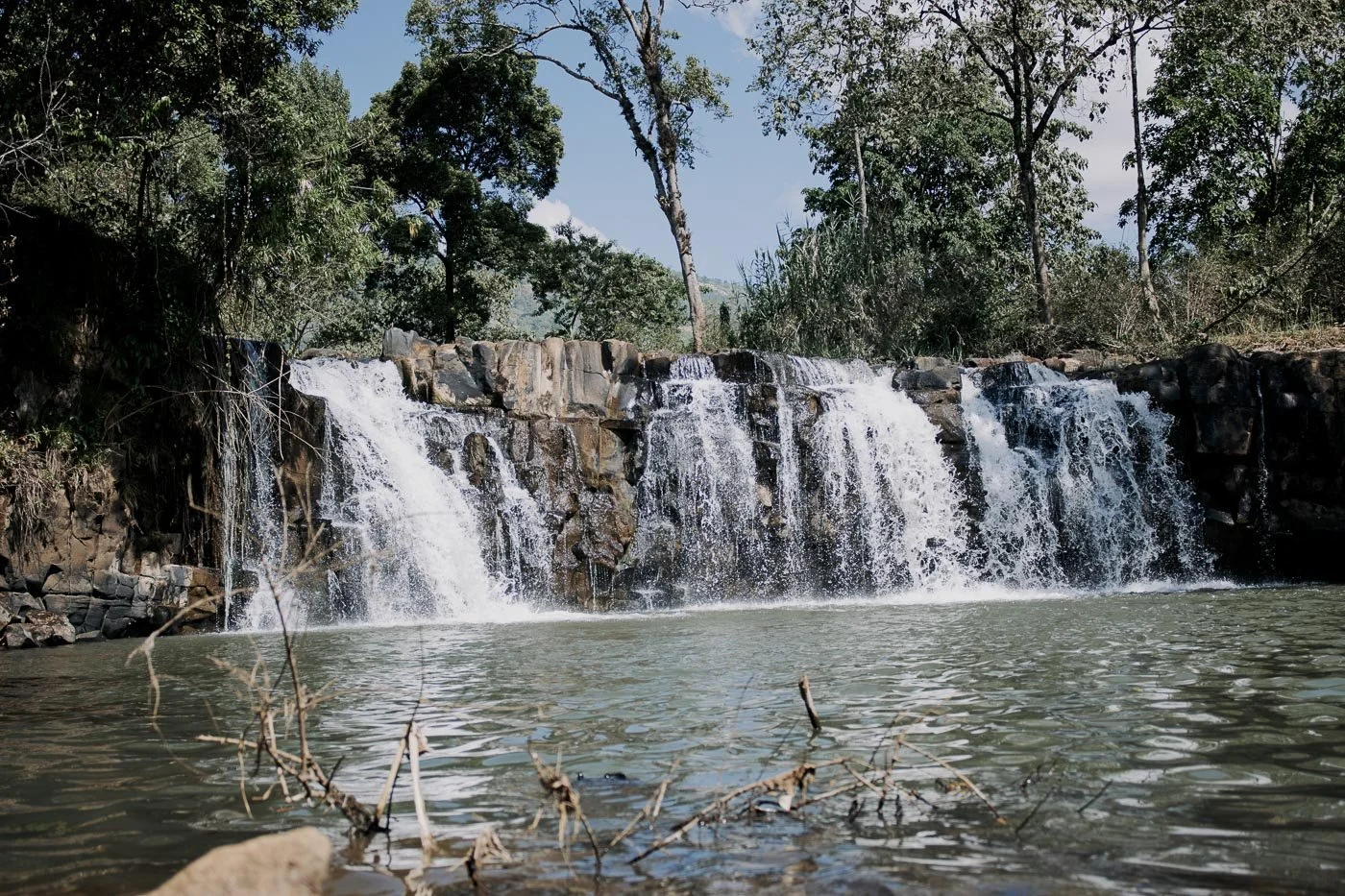
A short hike from Gatta, the Buncho washing station is known for its honey-processed coffees and breathtaking location above Buncho Waterfall, where we paused to relax after our hike.
Just down the road from Gatta and Buncho lies Karamo washing station. The sparkling washed coffee from Karamo made up 50% of our summer blend last year and was a big hit among both customers and staff. Karamo sources coffee from approximately 1,500 local farmers, some of whom cultivate coffee as high as 2,300 meters. This year, we're especially excited to feature honey-processed coffee from Karamo!
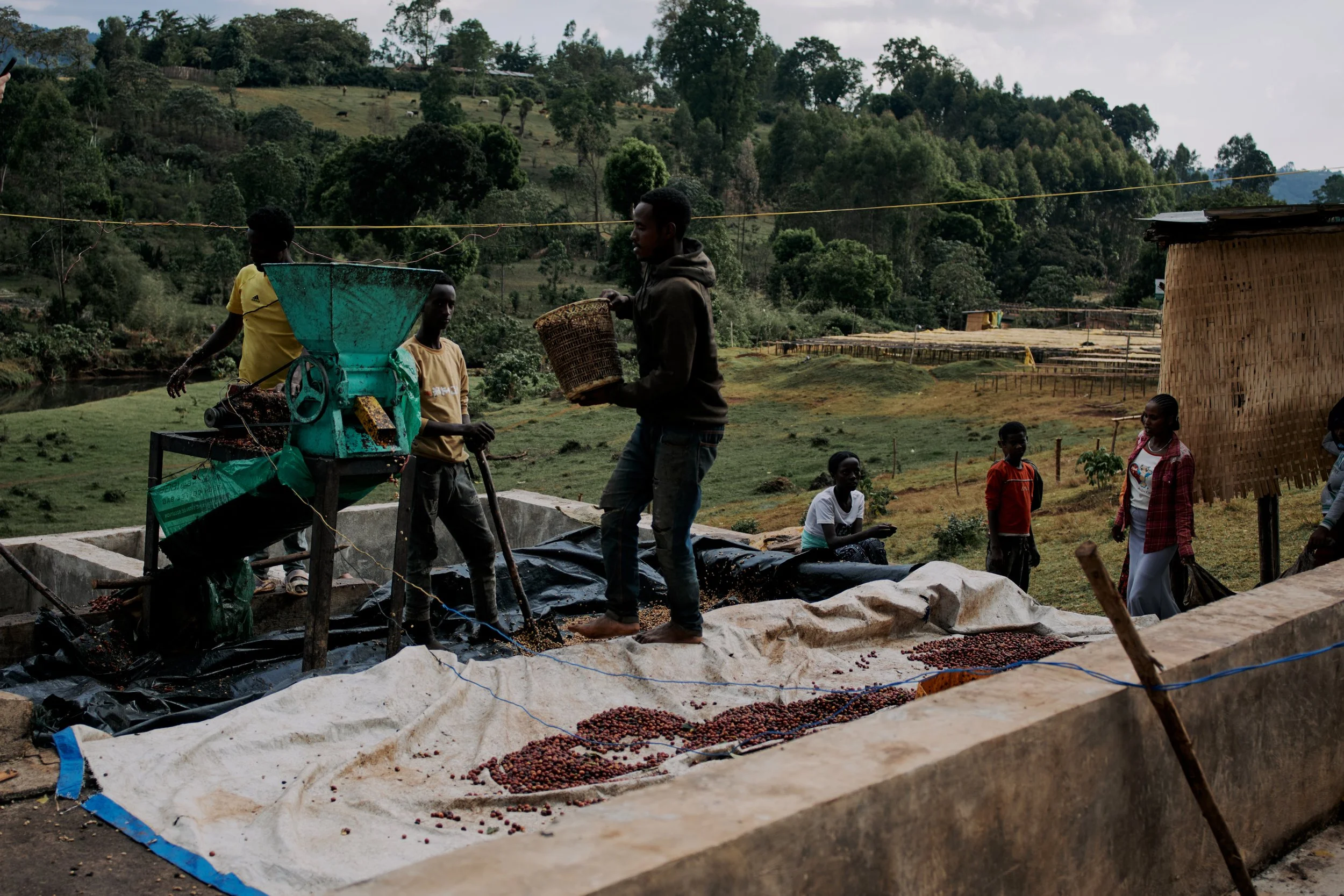
Karamo Washing Station
Before we move on to Yirgacheffe, let's take a moment to explain how coffee is produced in Ethiopia and what some of the terms on our coffee bags mean.
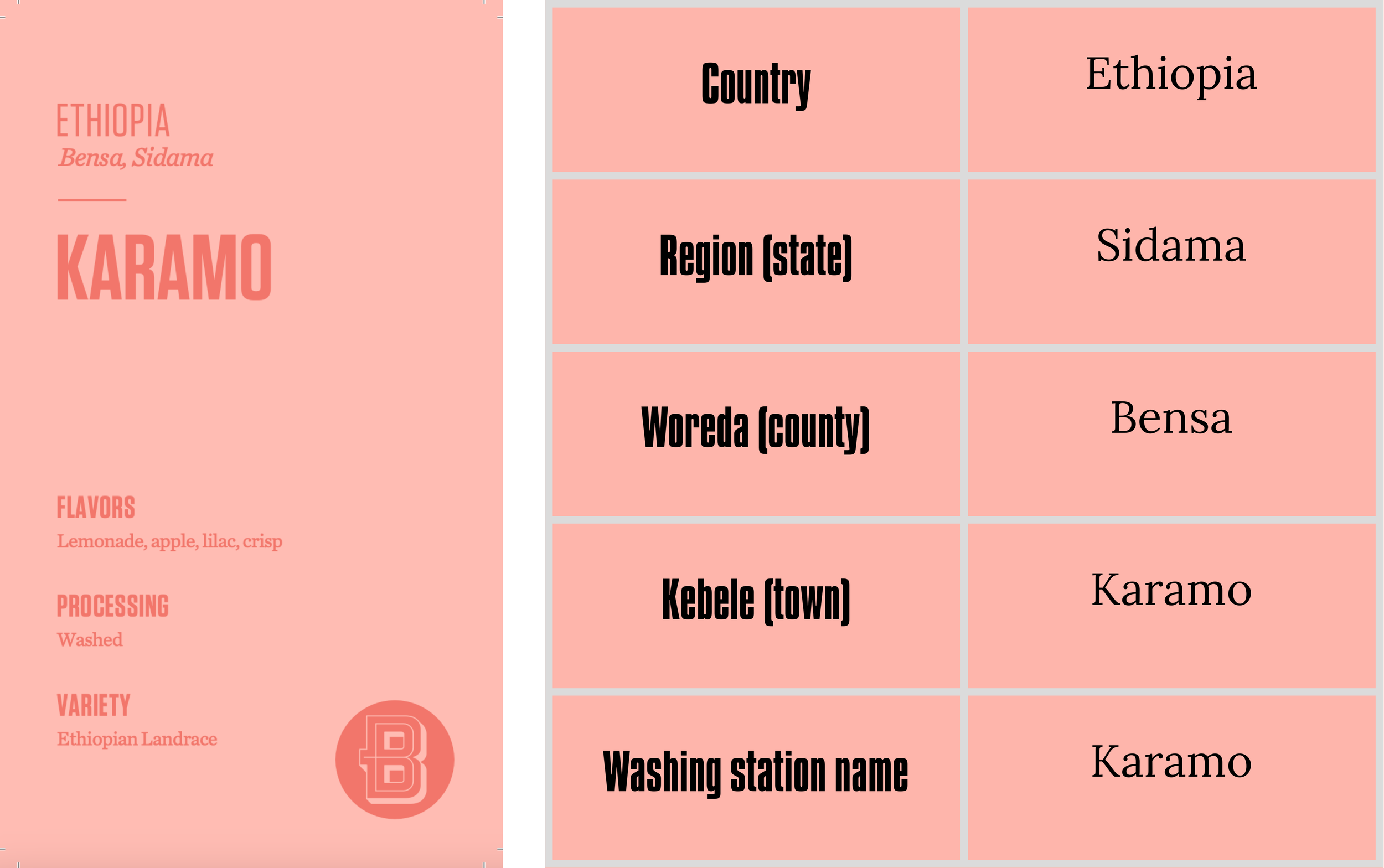
In Colombia, for example, our coffee labels often feature the word “Finca” (farm) or the name of the farm owner, making it easy to trace the coffee back to a single farm. In Ethiopia, however, farms are generally very small—many produce less than a single 60kg bag of coffee per year. Most farmers sell their cherry to processing facilities owned by exporters, called washing or drying stations. At these stations, coffee from various local farms is processed and exported together, often under the name of the community or station (which is sometimes named after the community).
Even among roasters and importers, Ethiopian coffee names and locations can be confusing. To help clarify the terms on our Ethiopia labels, we’ve included a helpful chart below.
Among the many stations we visited, Danche was the highlight of our time in Yirgacheffe. Located in Gedeb (Yirgacheffe), Danche is a small sub-kebele of Chelbessa, processing cherries from 800 farmers at an average elevation of 2,200 meters.
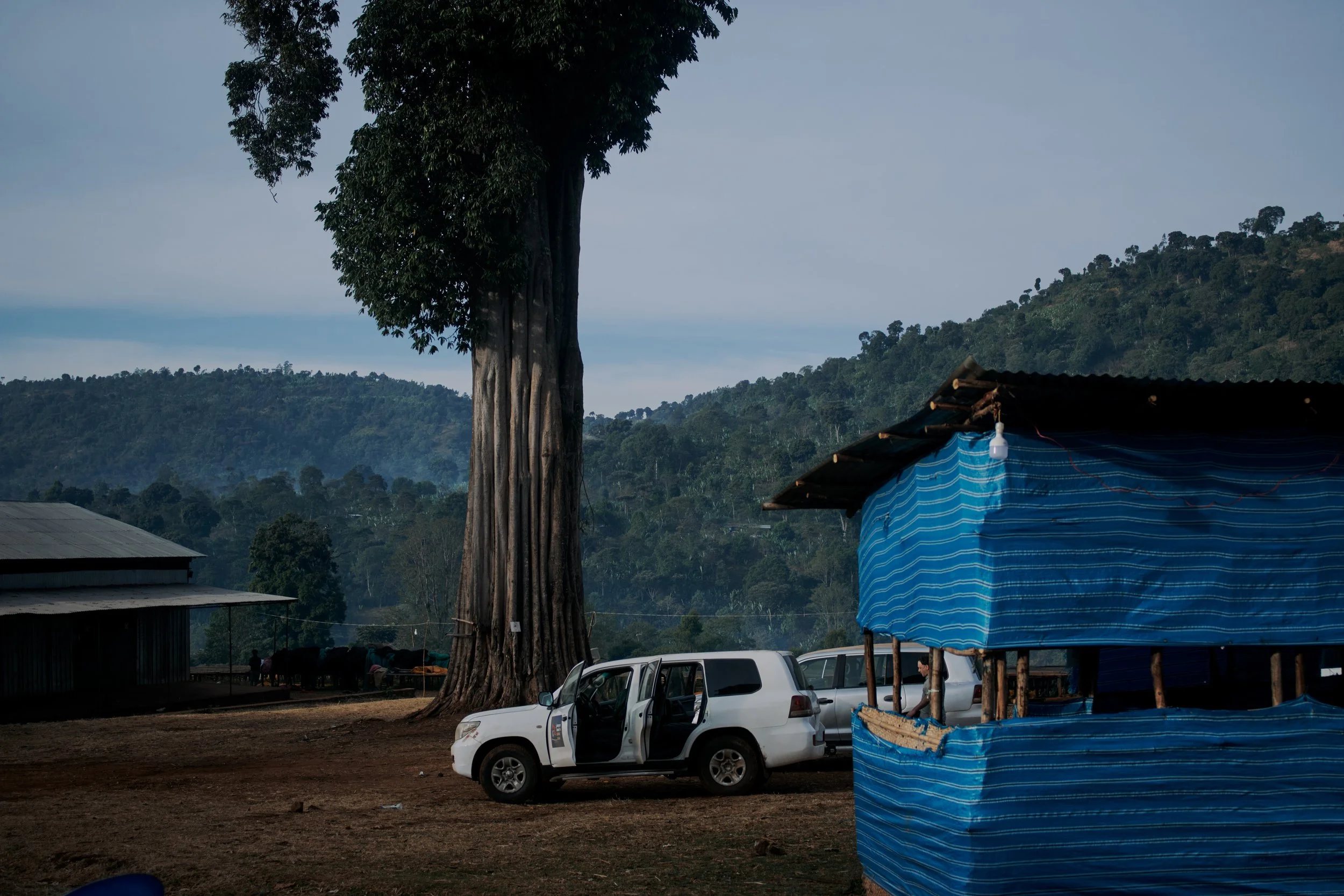
Spending the night under the stars at Danche revealed the secret behind their long fermentations. According to Special Process Manager Freo, the chilly nights, favorable wind patterns, and shade structures allow for longer fermentations than usual—Danche’s washed coffees ferment for an impressive 96 hours!
In 2024, Boxcar purchased Danche’s "White Honey" lot with great results. Our roasting team found it to be refined and “pretty”, with notes of peach, pineapple, and subtle florals. This year, we're hoping to accentuate the fruitiness just a bit more without compromising the overall quality of the original lot. By adjusting the depulper settings to remove slightly less mucilage, the team can accelerate fermentation, creating a “Yellow Honey” process. This could be our most highly anticipated lot of 2025, and we’re thrilled to watch it develop season after season!
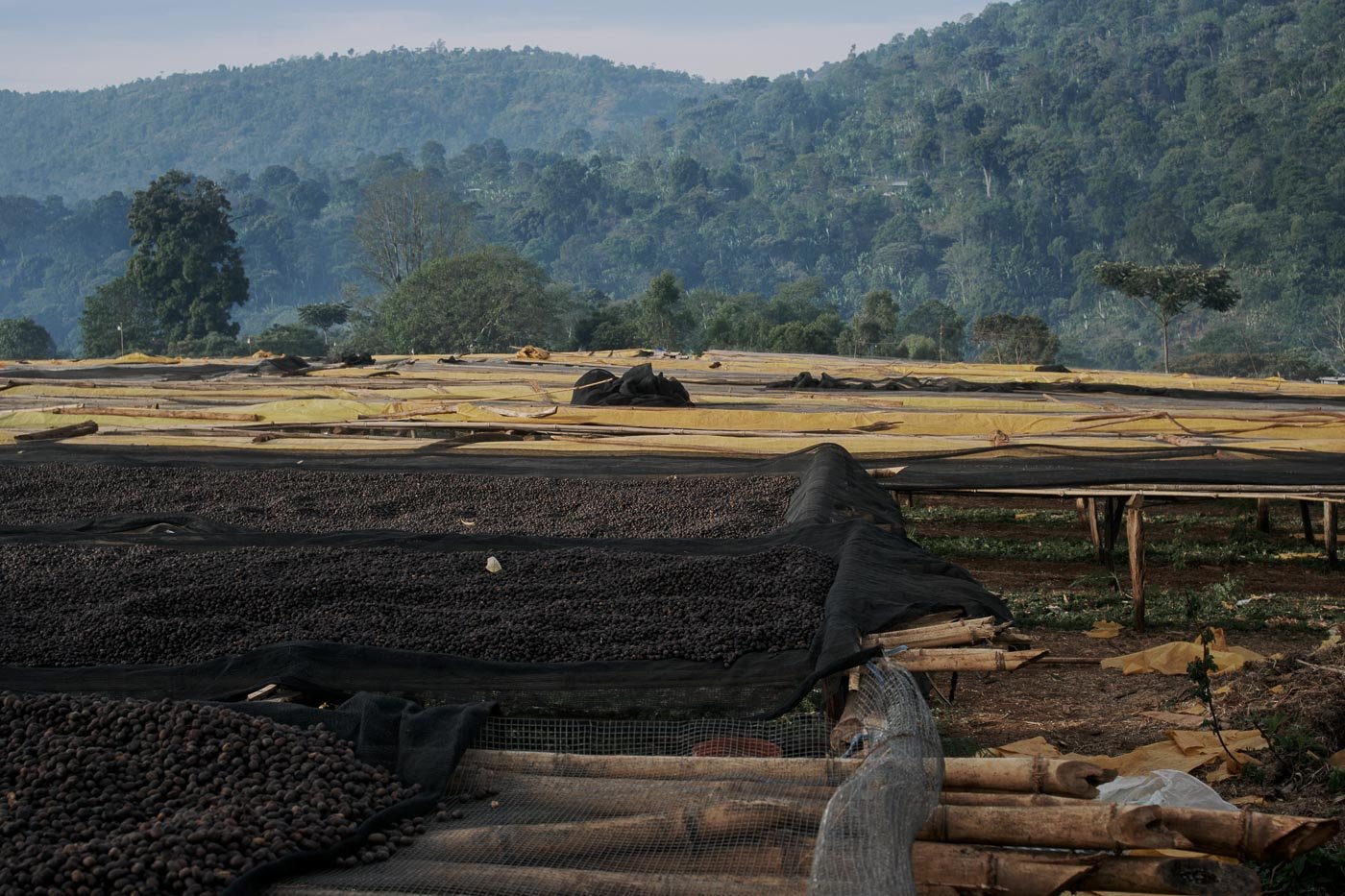
Danche Washing Station
After saying our goodbye to our hosts at Danche, we continued on to Guji, where we met Ture Waji, owner of Sookoo Coffee and affectionately known as “The King of Guji” for his coffee mastery. He owns several stations in Guji and has a good reputation due to his attention to detail and high quality standards.
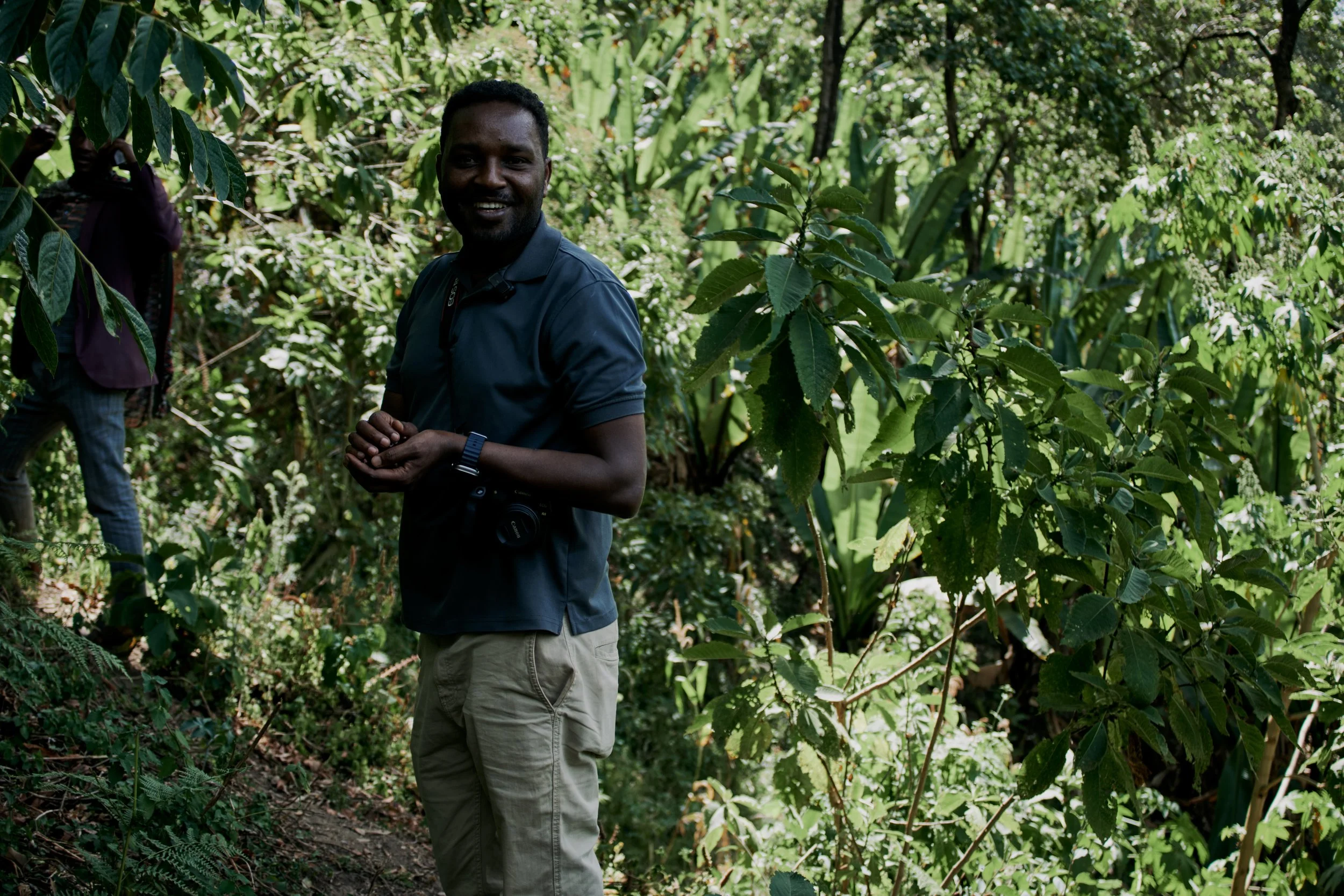
We visited a few of Ture’s stations in the region, and if one stands out above the others, it has to be Raro Nansebo. Located at 2,450 meters, Raro Nansebo offers a stunning view of the mountains to the south, where much of the coffee is grown. The farms around Raro Nansebo were still harvesting cherries on January 16—a week or so after harvest had ended in other areas.
Ture produces 100% naturally processed coffee at Raro Nansebo, but next year, he plans to produce honeys and even washed coffees at this station.
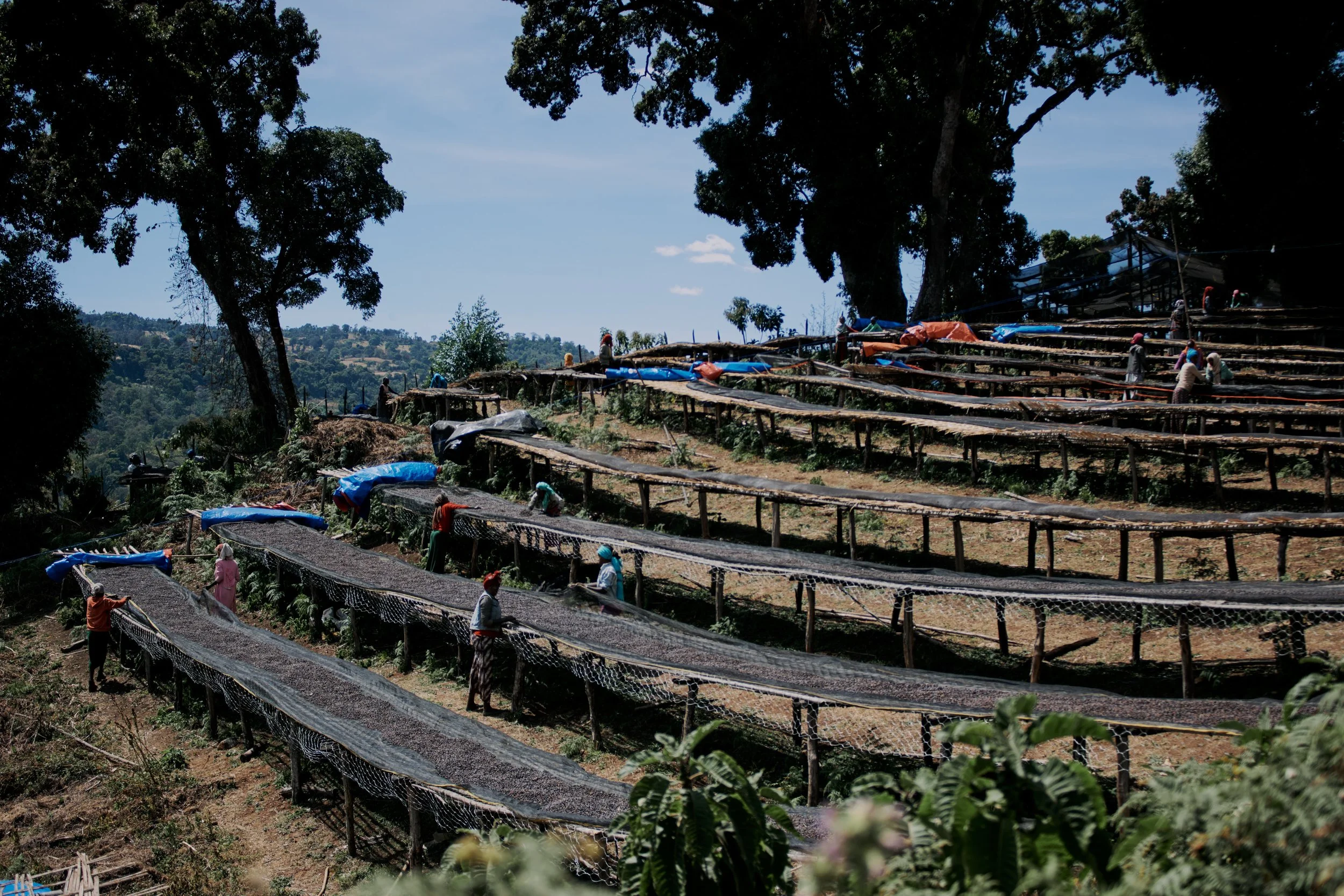
Drying Beds at Raro Nansebo Station
Reflecting on our time in Ethiopia, we’re filled with gratitude for the incredible coffee producers who welcomed us and shared their expertise. Every visit, even those we didn't mention in this post, deepened our appreciation for the care and dedication that go into every step of the coffee process. As these exceptional coffees make their way to Boulder, we can’t wait to share them with you - we hope these coffees land in late spring/early summer. In the meantime, feel free to reach out with any questions about our trip—or if you simply want to talk coffee!