Sourcing Report: El Salvador 2026
In February, just as the harvest was reaching its peak, Boxcar took our yearly trip to El Salvador to visit Mauricio Salaverria, owner of Divisadero Coffees. Behind Colombia, El Salvador represents our second largest coffee source by volume, with Mauricio’s coffees making up the majority of our Stella blend and providing a steady stream of outstanding microlots for half of the year. Through persistent industry and supply chain challenges, our 15-year partnership with Divisadero is stronger than ever, reminding us of the value of sustainable business relationships that uplift lives on both ends. Read our trip report below by Green Buyer and Head Roaster Jon McCann, with photography by Education Manager Joe Lacey.
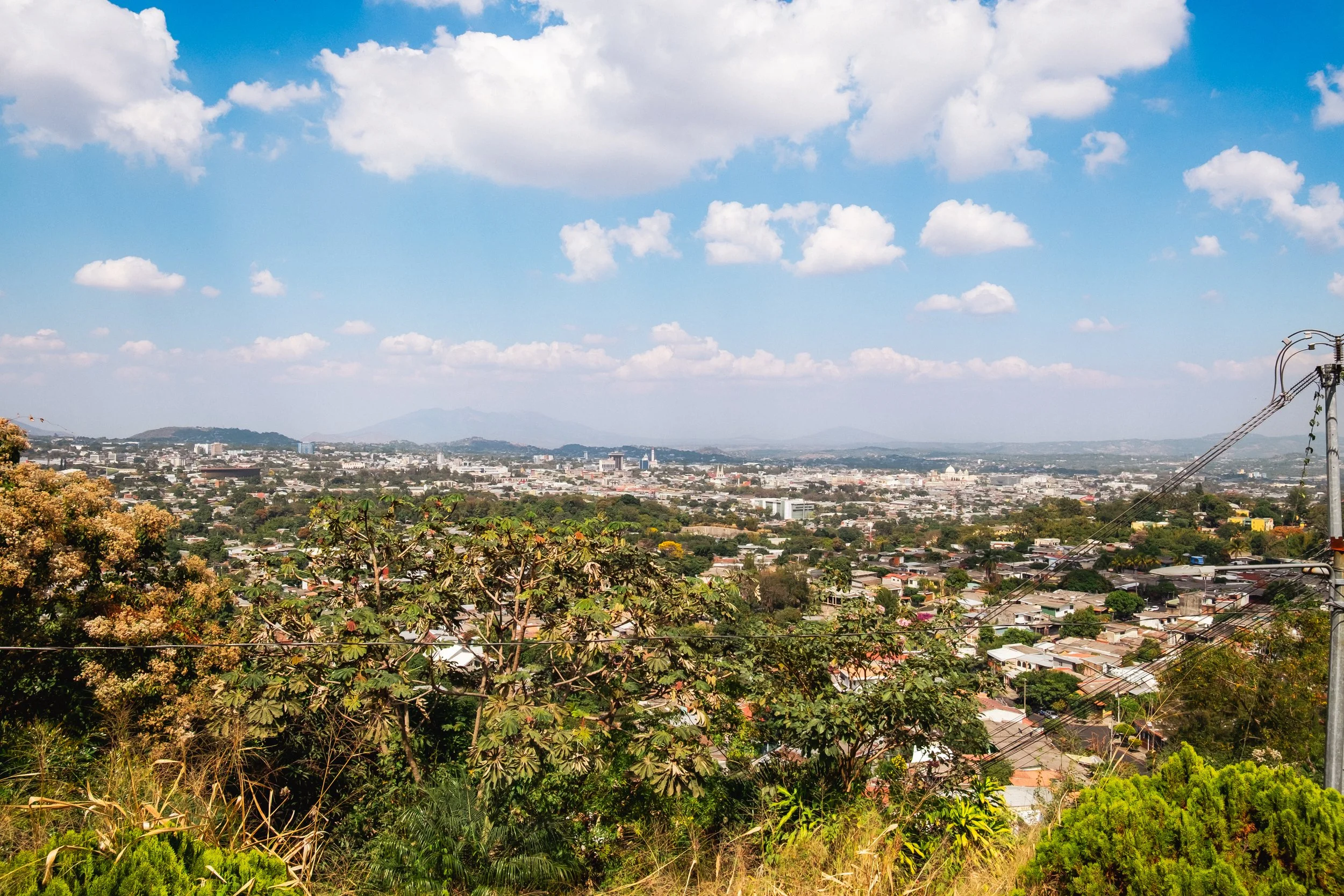
After a night in San Salvador to start our trip, and a morning cupping, we drove with Moe to Ataco, our hub for the next few days. At about the size of the state of Massachusetts, getting around El Salvador is a breeze compared to other coffee-producing countries. During our drive, Mauricio shared the history of his fincas and his journey as a fifth-generation coffee grower. Moe explained that his family has been in coffee since 1870-1875. His grandparents and great grandparents were early pioneers in coffee growing, involved in the initial cultivation of coffee in El Salvador. According to Mauricio, “Basically, I probably have coffee running through my veins instead of blood, you know, because of my family.”
Divisadero, now the name of Mauricio’s company, was originally a tablon (lot) of Finca Himalaya. Divisadero means “vast views”, and is also a street in San Francisco, a city Mauricio loves from his time attending university in California. Divisadero began producing specialty coffee about 20 years ago, when the third wave was beginning to grow, and when the cup of excellence was creating a buzz in the Central American coffee industry.
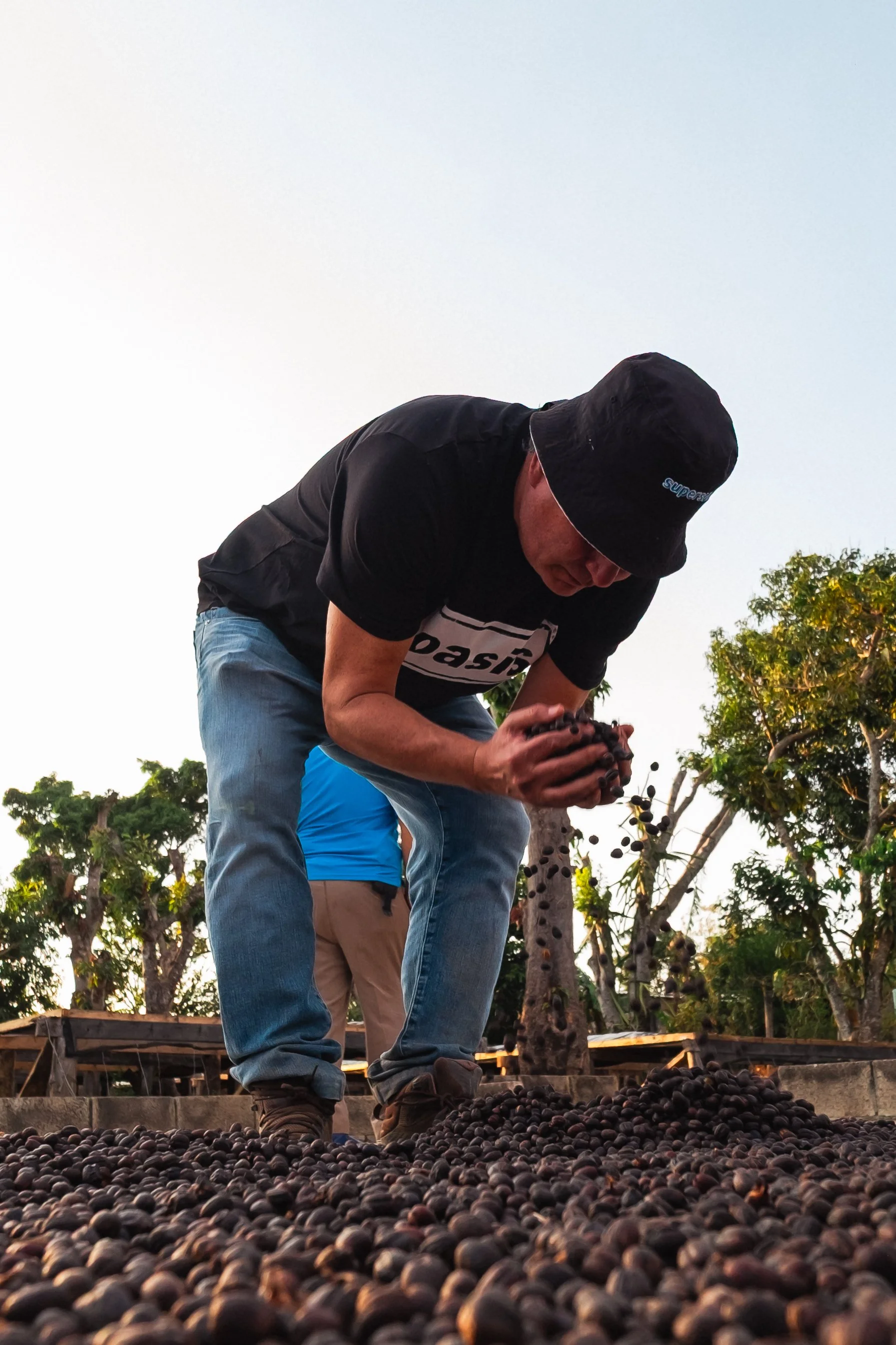
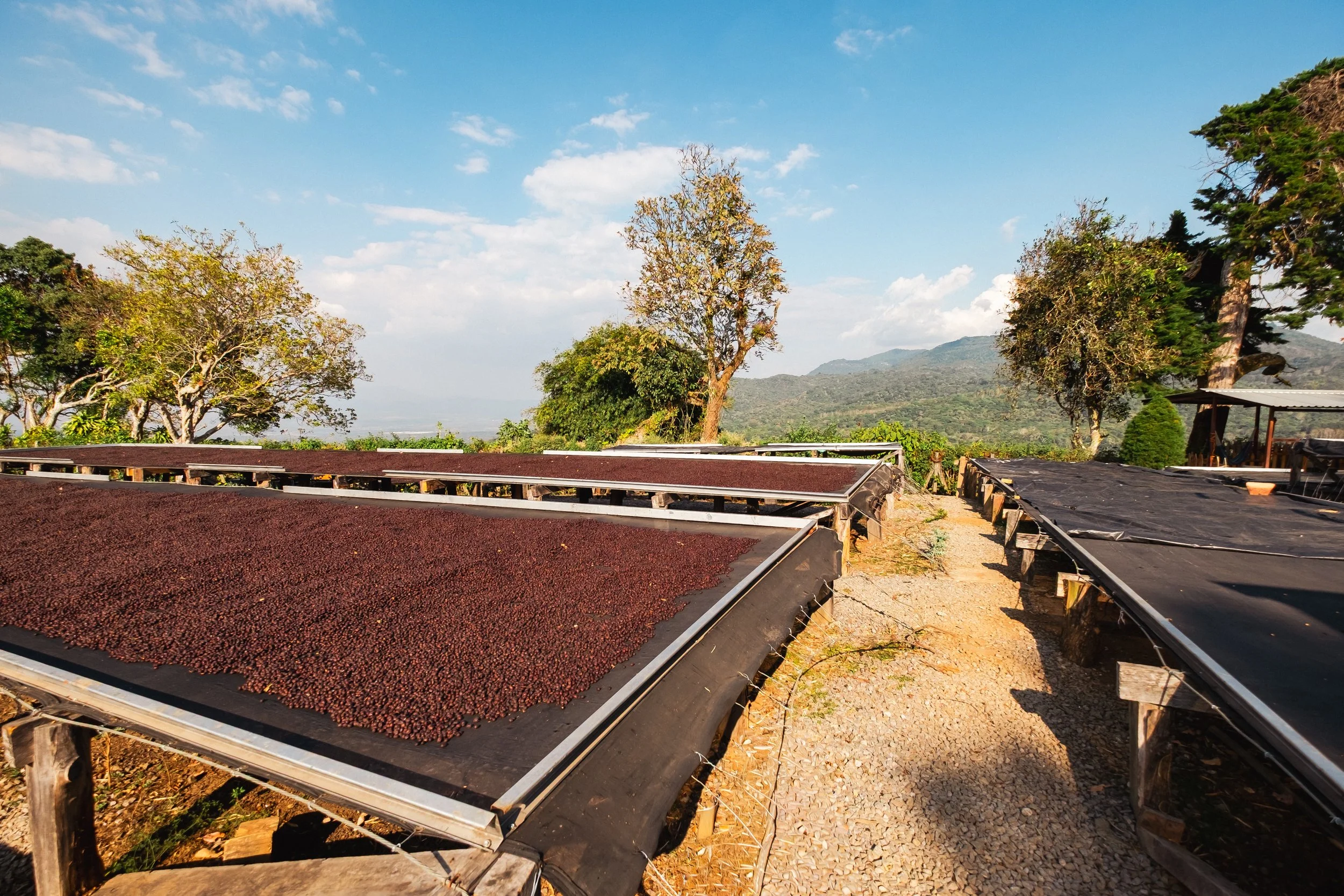
Once we reached our home base of Ataco, we grabbed some pupusas and made our way up to Finca Villa Galicia, where Divisadero’s most prized lots are carefully processed. Located right up the street from our hotel, Moe’s raised beds at Villa Galicia are strategically oriented along with shade trees to maximize airflow and manage temperature swings, both of which are necessary to produce exceptional coffees. According to Mauricio, raised beds, now staples of the best coffee farms around the globe, were historically only used in El Salvador for segundos (seconds), not high-end coffees. Producers did not see the value in slow, controlled drying at that time, opting to dry on hot concrete patios exclusively. Mauricio pioneered raised bed drying in El Salvador back when they were still known as “african beds” because at that time the practice was most common in Kenya and Ethiopia. Mauricio’s willingness to veer from the beaten path in pursuit of excellence inspires all of us at Boxcar to approach our daily work with this mindset.
Bright and early the next morning, we drove to Mauricio’s prized farm, Finca Himalaya. Located at one of the highest points in the Apaneca mountain range, varieties including yellow and red Pacamara, Maragogype, Geisha, and SL-28 thrive here, some delivering Moe’s top-10 COE wins over the years.
Among the most gratifying things about direct trade sourcing are the firsthand experiences we get to have with innovative projects at the farm level, and eventually their impact on the cup here in Boulder. Over the years, to adapt to climate change, Mauricio has replaced the majority of his Bourbon and Pacas trees with the Coffee Leaf Rust-resistant Cuscatleco variety. Cuscatleco is a product of national breeding programs in El Salvador from the Sarchimor variety, which has Robusta genetics. In our experience, this variety produces a deeply sweet and chocolatey cup with mild citric acidity, and it can stand up to a little more time in the roaster. Cuscatleco makes up a majority of our purchase volume and is the base of our Stella blend for half of the year.
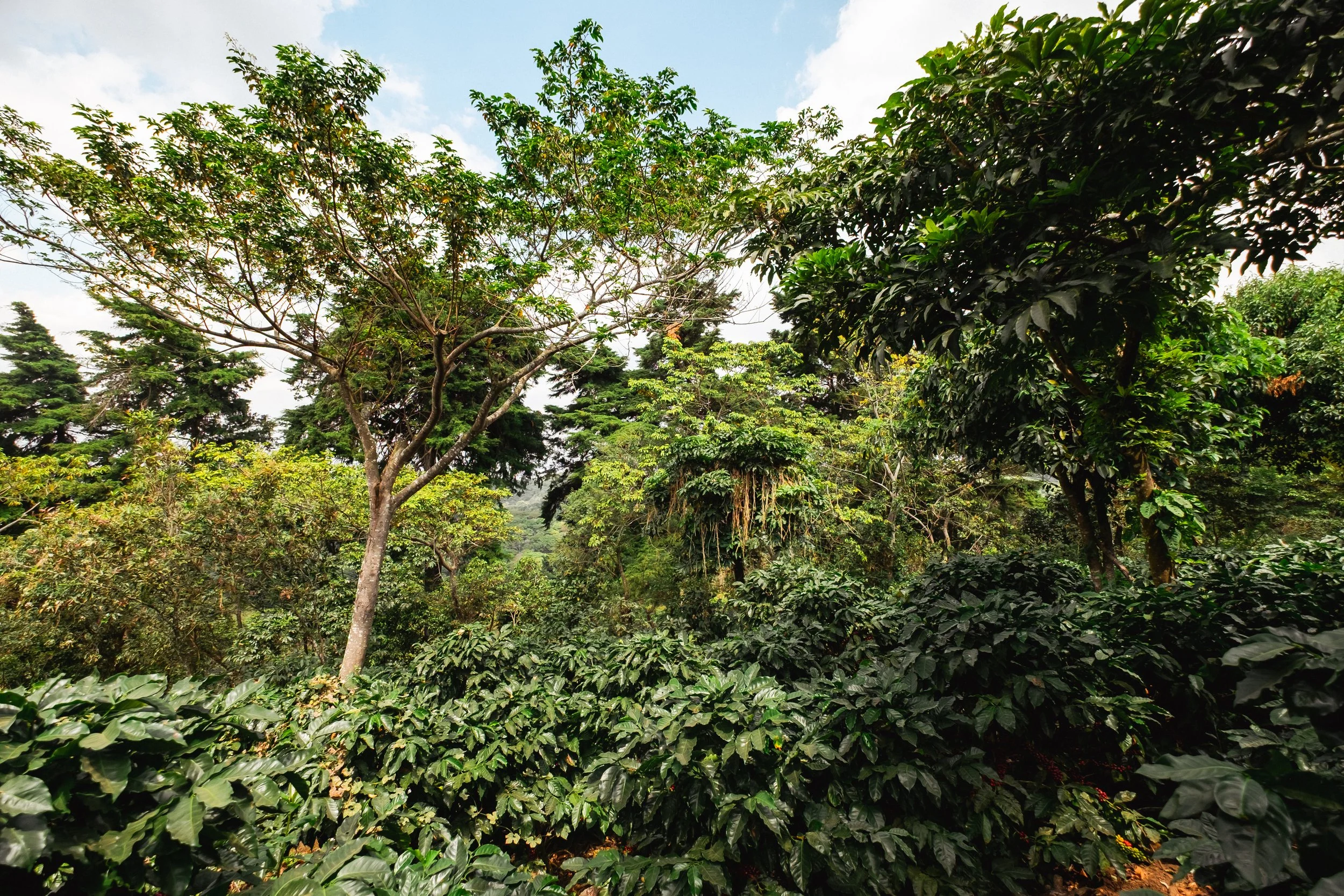
In Mauricio’s words, “Coffees that were traditional here like Bourbon and Pacas cannot withstand the climate anymore. The cup quality of these varieties has decreased, because the tree, instead of taking care of the coffee cherry, must take care of itself.”
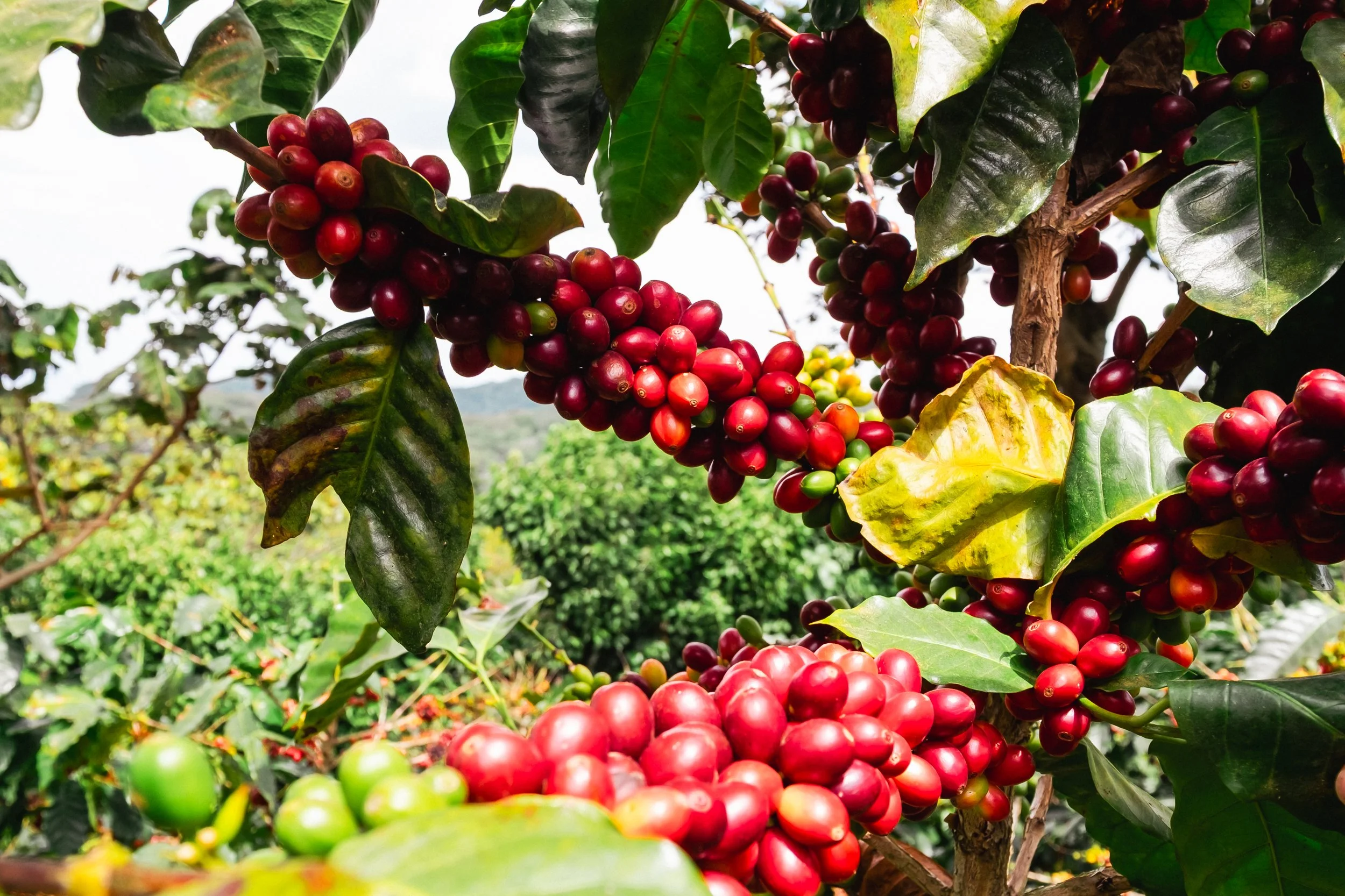
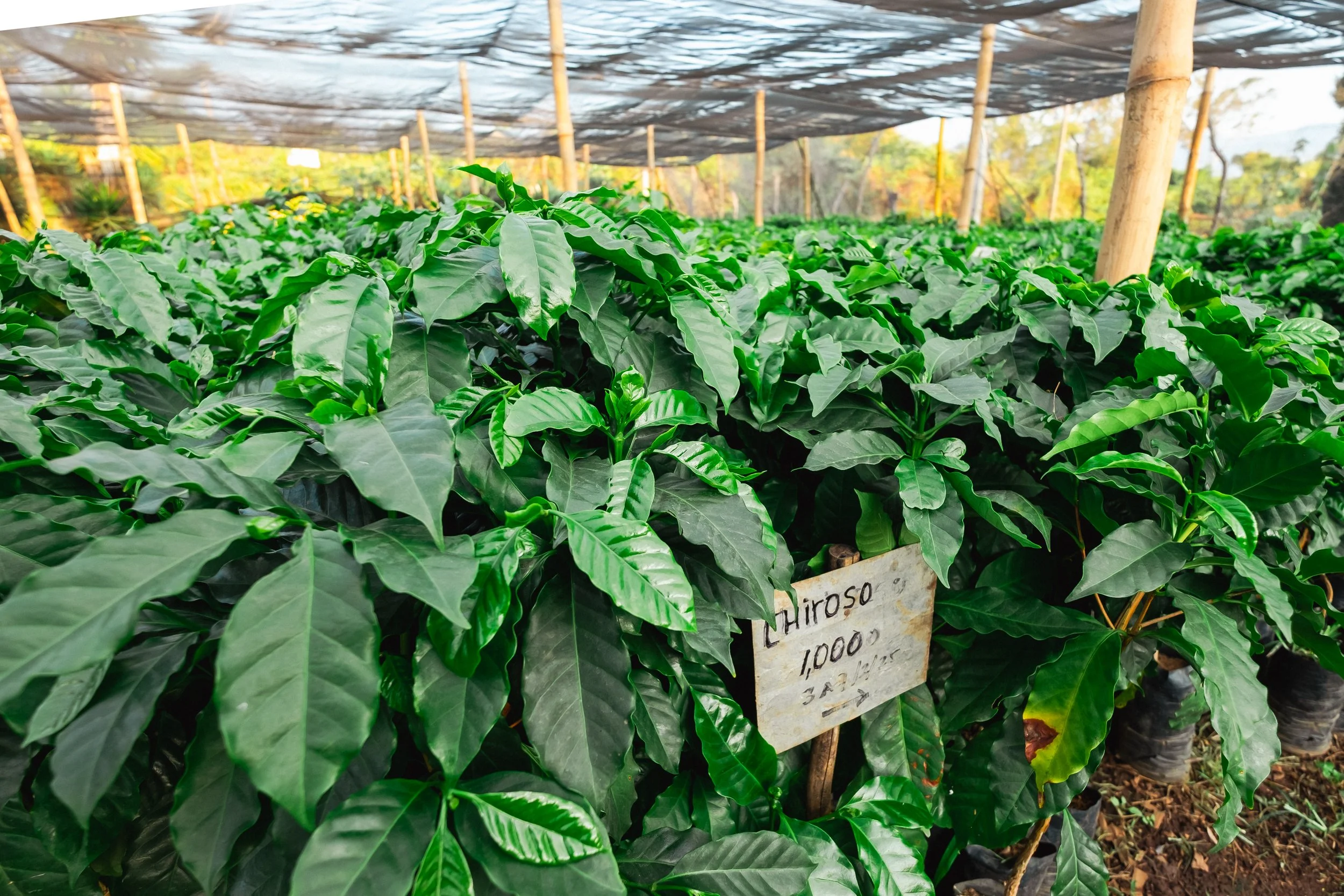
Our visit to Finca Himalaya concludes at the most recent expansion of Himalaya, Sendero del Conejo, named after his father’s nickname. Continuing his long-term investment in high-end specialty, in his view the most viable future for coffee producers, Mauricio immediately planted his highest elevation plot with rare varieties, some of which may not be planted elsewhere El Salvador yet at all. These new trees are among the most sought-after varieties in specialty coffee, including Pink Bourbon, Chiroso, and Typica Mejorado.
Each year when we visit El Salvador, we’re reminded that excellence in coffee is not an accident. Producing coffees at this level requires a deep connection to the land, years of dedication, and a willingness to constantly experiment, adapt, and think outside the box. At Boxcar, our hope is to be a consistent partner, fostering long-term relationships built on shared values, and offering sustainable prices and volumes across all quality levels to help make this work possible for our producer partners. Our relationship with Divisadero is our guide as we look toward applying this mutually beneficial model to even more of our purchasing in the future.
Jon McCann, Green Buyer and Head Roaster
